

How to Build an Everyday Fitness Routine That Actually Sticks
Let’s get real: most of us want to feel healthier, stronger, and just a little more in control of our bodies. But with packed schedules, daily stress, and endless “perfect” workout plans online—it’s easy to feel overwhelmed. The truth? You don’t need a personal trainer, a gym membership, or a 5 AM alarm to get started. You just need an everyday fitness routine that fits your life, not the other way around.
This blog is your no-BS guide to building a fitness lifestyle that’s realistic, enjoyable, and most importantly—sustainable.
Why Your Fitness Journey Should Be About Consistency, Not Intensity
You’ve probably seen people online saying things like:
Honestly? That kind of mindset works for a few—but not most of us who juggle jobs, family, and everything in between. What really works is showing up consistently, even if it’s just for 20 minutes a day. A realistic everyday fitness routine is more powerful than a 6-week bootcamp you’ll quit by week 3.

Step 1: Define What Fitness Means to You
Before you dive into squats and protein shakes, take a moment to ask yourself:
- What’s my “why”?
- Do I want more energy?
- Better sleep?
- To move without pain?
- To feel strong, confident, and capable?
Your fitness goals should reflect what matters in your real life—not some unrealistic image you saw online. When you start with your reason, your motivation becomes internal. And that’s what fuels long-term change.
Step 2: Keep It Simple (Especially at the Start)
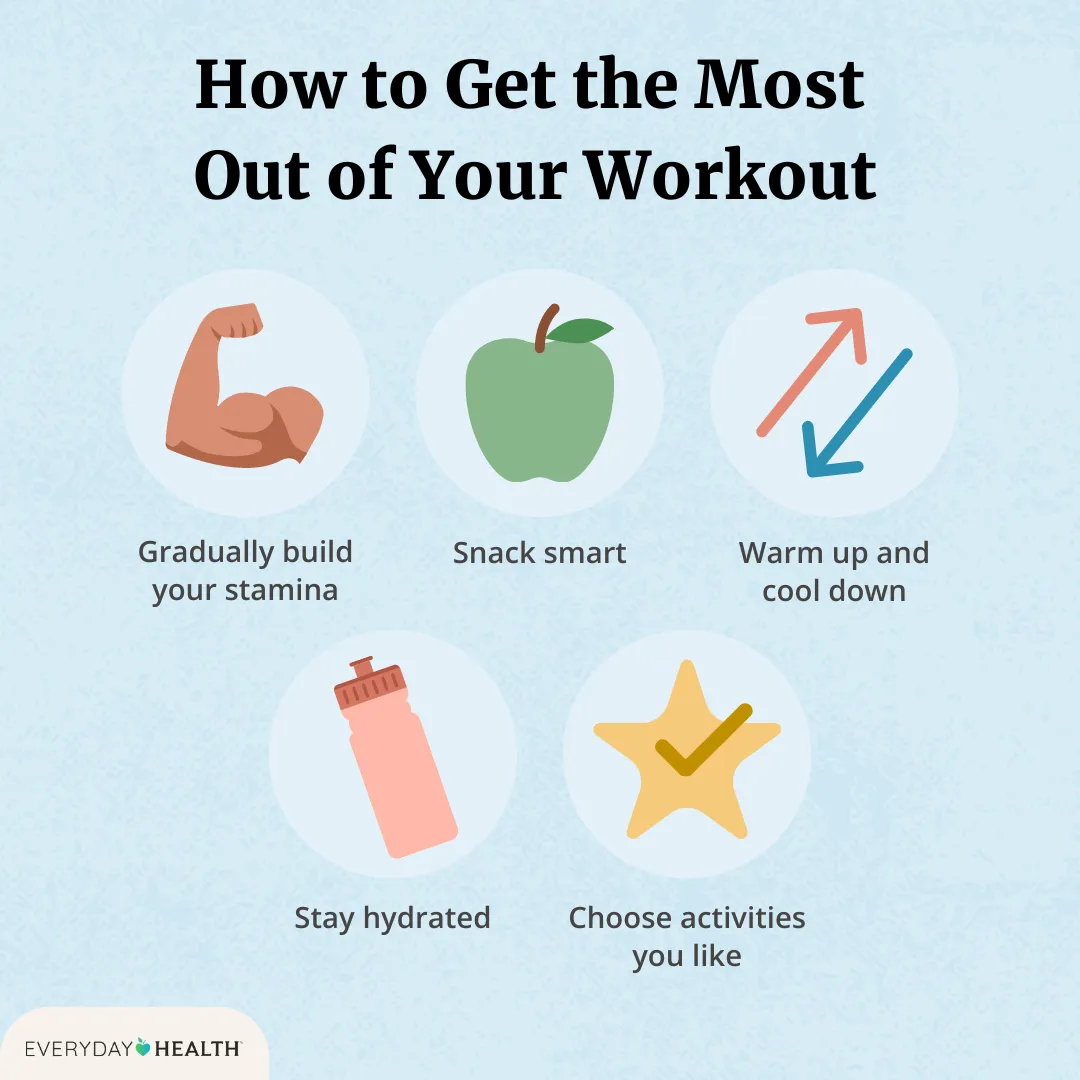
One of the biggest mistakes people make? Starting too big. If you haven’t exercised in a while, don’t commit to 90-minute workouts six days a week. You’ll burn out. Fast.
Instead, focus on building a simple everyday fitness routine, like:
- A 20-minute walk after dinner
- A short home workout 3–4 times a week
- Stretching in the morning
- A 10-minute dance break to your favorite song (yes, it counts)
Start where you are. Then grow from there.
Step 3: Make Fitness a Mindset, Not Just a To-Do List
Your body isn’t a machine—it’s a living system that works best when treated with care. Movement should feel good, not like punishment. When you focus on how fitness improves your day-to-day life—more energy, better mood, clearer thinking—you’ll naturally want to keep moving.
That’s how an everyday fitness routine becomes a lifestyle, not a temporary project.
Step 4: Find What Moves You
Spoiler: You don’t have to go to the gym if you hate the gym.
There are hundreds of ways to stay active:
- Dance
- Cycling
- Hiking
- Yoga
- Playing with your dog
- Martial arts
- Skating
- Swimming
The best kind of fitness is the kind you actually enjoy. If it makes you feel good and gets your heart beating, it counts.
Sample Everyday Fitness Routine (That Doesn’t Suck)
Here’s a super doable weekly plan you can tweak based on your goals:
| Day | Activity |
|---|---|
| Monday | 30-min walk + light bodyweight workout |
| Tuesday | Dance or yoga (20–30 min) |
| Wednesday | Full rest or light stretching |
| Thursday | Resistance training or bodyweight circuit |
| Friday | Walk or jog + core workout (15–20 min) |
| Saturday | Outdoor activity (hike, sports, cycling) |
| Sunday | Active rest (walk, foam roll, breathe) |
The key here is flexibility. This plan gives you structure without pressure. It’s the heart of a true everyday fitness routine adaptable and sustainable.
Fuel Your Body Like You Love It
Fitness isn’t just about movement. What you eat—and how you eat—matters too.
Here’s what to keep in mind:
- Don’t skip meals trying to “cut calories”
- Hydrate (aim for 2–3 liters a day)
- Eat more whole foods—veggies, fruits, lean protein, healthy fats
- Avoid extremes (no need to go keto, vegan, paleo unless it works for you)
Your everyday fitness routine will feel easier and more enjoyable when your body is fueled right.
Recovery Is Part of Progress
Sleep and rest aren’t “cheat days.” They’re essential. Your muscles recover and grow when you’re sleeping, not during the workout.
So if you’re tired, rest. If you’re sore, stretch. Learn to listen to your body, not fight it.
In your everyday fitness routine, recovery is just as important as activity.
Track Progress Without Obsessing
You don’t need to weigh yourself daily or count every calorie. But tracking a few things can help you stay motivated:
- How often you mov
- How you feel after workouts
- Strength or flexibility improvements
- Changes in energy, sleep, or mood
Remember: progress isn’t just physical. It’s mental, emotional, and lifestyle-based too.
Busting a Few Fitness Myths (So You Can Ignore Them)
Let’s knock out a few common myths right now:
You need to suffer for results → Nope. Discomfort is okay, but pain or dread isn’t the goal.
You have to be consistent every single day → Life happens. Missing a day doesn’t mean failure.
You must follow a strict diet → Not true. Balance matters more than restriction.
Supplements are essential → You can get everything you need from food and smart habits.
Let those myths go. They don’t belong in your everyday fitness routine.
Final Thoughts: Make It Yours, Make It Last
Fitness isn’t about having a perfect body or following the latest trends. It’s about creating habits that help you feel good, live better, and show up for yourself every day.
The secret? Start small. Keep it real. Adjust as you go. Your everyday fitness routine should feel like something you can and want to do—not something that burns you out.
So wherever you are today—whether you’re starting from zero or picking it back up again—you’ve got this. No pressure. No shame. Just one small step at a time.

Leave a Reply